
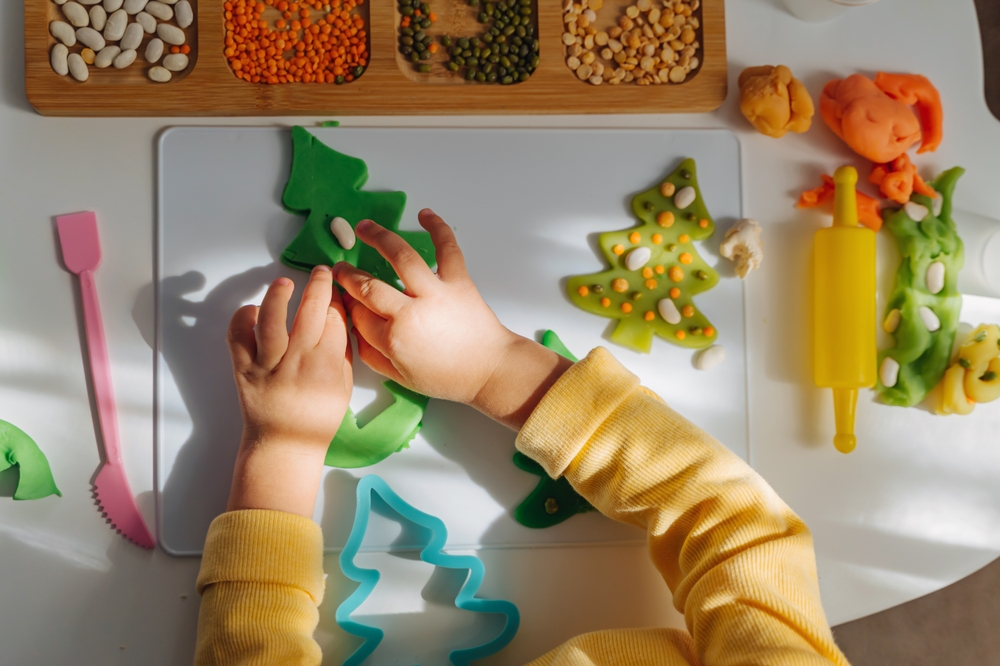
The holiday season is filled with excitement, tradition, and moments of joy but it can also bring unique sensory challenges for many children. From the textures of winter clothing to the noise of family gatherings and the anticipation of opening gifts, these experiences can quickly become overwhelming. With a few thoughtful adjustments and supportive strategies, you can create a holiday environment that feels comfortable, predictable, and enjoyable for your child.
Sensory-Friendly Gift Opening
Opening gifts can be exciting for any kid, but they may come with some sensory challenges we may not think about. By adjusting materials, practicing gift opening and an appropriate opening pace, you can make a more comfortable and enjoyable experience for your child.
Tips for Sensory-Friendly Gift Opening
- Change up your gift wrap: Tearing open wrapping paper can be hard for children who have not acquired the proper fine motor skills. Consider switching to gift bags, boxes or even using decorative fabrics to wrap presents that require an easier fine motor experience for children.
- Practice gift opening: Give your child opportunities to rehearse opening different types of packaging. You can create “practice presents” using empty cereal boxes and different types of gift wrapping such as paper, boxes, and bags to practice fine motor skills in a low-pressure setting. This can help your child become more familiar with the motions involved, as well as what to expect when it’s time to open gifts.
- Offer items for sensory input: Opening presents can be overwhelming due to all the people talking and noise from the wrapping paper occurring at once. Offer small, engaging fidgets and noise-cancelling headphones or earbuds to provide a calmer experience.
- Offer breaks and visual aids: It’s important to allow your child to open gifts at their own pace and allow breaks as needed. Feel free to provide any visual aids that may signal to them when breaks are available, to wait for a turn, or a visual countdown of when a specific experience may be over with.
Supporting Winter Clothing Sensitivities
Winter clothing can feel uncomfortable for many children, especially when it involves bulky layers, scratchy fabrics, or sudden temperature changes. With a few simple adjustments, cold-weather routines can become more comfortable and sensory-friendly for your child.
Tips
- Provide comfortable layers: Choose clothing that feels soft and gentle on your child’s skin, such as tagless shirts, seamless options, or fabrics with a smooth texture. Starting with comfortable base layers made of cotton or breathable materials can also make a big difference. These softer layers help reduce irritation and can make heavier winter clothing feel much easier for your child to tolerate.
- Practice wearing gear indoors: Give your child time to try on coats, gloves, hats, or boots inside where it’s warm and predictable. Short practice sessions can help them get used to new textures and reduce stress when it’s time to head outdoors.
- Increase outdoor time gradually: Start with short periods outside and slowly build up to longer play or activity times. This helps your child adjust to the temperature, clothing layers, and sensory demands of winter at a pace that feels comfortable for them.
Involve Your Child in Holiday Preparation
Including your child in holiday tasks can help them feel more confident, connected, and prepared for the season. Participation gives them a sense of control and makes new or busy routines feel more predictable and enjoyable.
Ideas
- Allow them to help with gift wrapping: Offer simple, accessible wrapping options like fabric bags, stickers, or easy-to-tie ribbons. These materials allow your child to participate and may help them feel proud of their contribution. It also lets them practice some fine motor skills!
- Let them take part in preparations: Give your child choices whenever possible. They can select a few decorations, pick the lighting they prefer in their space, or help choose a holiday playlist. These small decisions help create a comfortable environment that feels familiar and child friendly.
- Assign small responsibilities that build confidence and predictability: Simple tasks, such as handing out cards, placing ornaments, or setting out napkins, can build confidence and provide predictability. These responsibilities also give your child a clear role in the celebration, which can make holiday activities feel more manageable and meaningful.
Visual Aids, Schedules & Holiday Countdowns
The holidays often come with changes in routine, new activities, and unpredictable schedules. For many children, not knowing what will happen next can create stress or anxiety. Using visual tools can make holiday plans feel clearer, more structured, and easier to navigate.
Ideas
- Use a visual holiday countdown: A simple countdown, such as one on a calendar, whiteboard, or paper chain, can help your child understand when an event is coming. This gives them a clearer sense of time and can reduce anxiety by helping them prepare for upcoming changes.
- Create picture-based schedules: If you’re going to gatherings, traveling, or opening gifts, picture-based schedules can outline each step of the day in a predictable way. These schedules help your child understand what will happen first, next, and last, making transitions much easier
Limiting Overwhelming Sensory Input
Holiday overstimulation can happen quickly, especially with crowds, lights, and noise. Visiting relatives’ homes can also introduce new smells, people, sounds, and activities that add to the sensory load.
Tips
- Accommodate your gatherings: Attending large events may be overwhelming due to noise, crowdedness, and socializing demands. Try opting for smaller gatherings or shortening the visit if possible. Offering breaks in a calm, quiet environment can also help your child become regulated and relaxed during a gathering.
- Visit stores and events during off-peak hours: Visiting stores, holiday markets, or community events during off-peak hours reduce exposure to loud noises, busy crowds, and rushed environments.
- Provide sensory tools: Items like fidgets, noise-canceling headphones, or small weighted objects can provide grounding sensory input. These things can offer comfort and help your child manage overwhelming feelings.
- Familiarize them with their environment: Help your child feel prepared by showing them pictures or videos of the place before you go. When you arrive, take a quick walk around together to find quiet spots or calm areas. Knowing what to expect can help your child feel more comfortable and know where to take a break if needed.
With a few thoughtful, sensory-friendly adjustments, you can create a holiday season that feels comfortable and predictable for your child.
Author: Kiara Lanto, RBT